.png?width=116&height=32&name=Vector%20(1).png "Vector (1)")

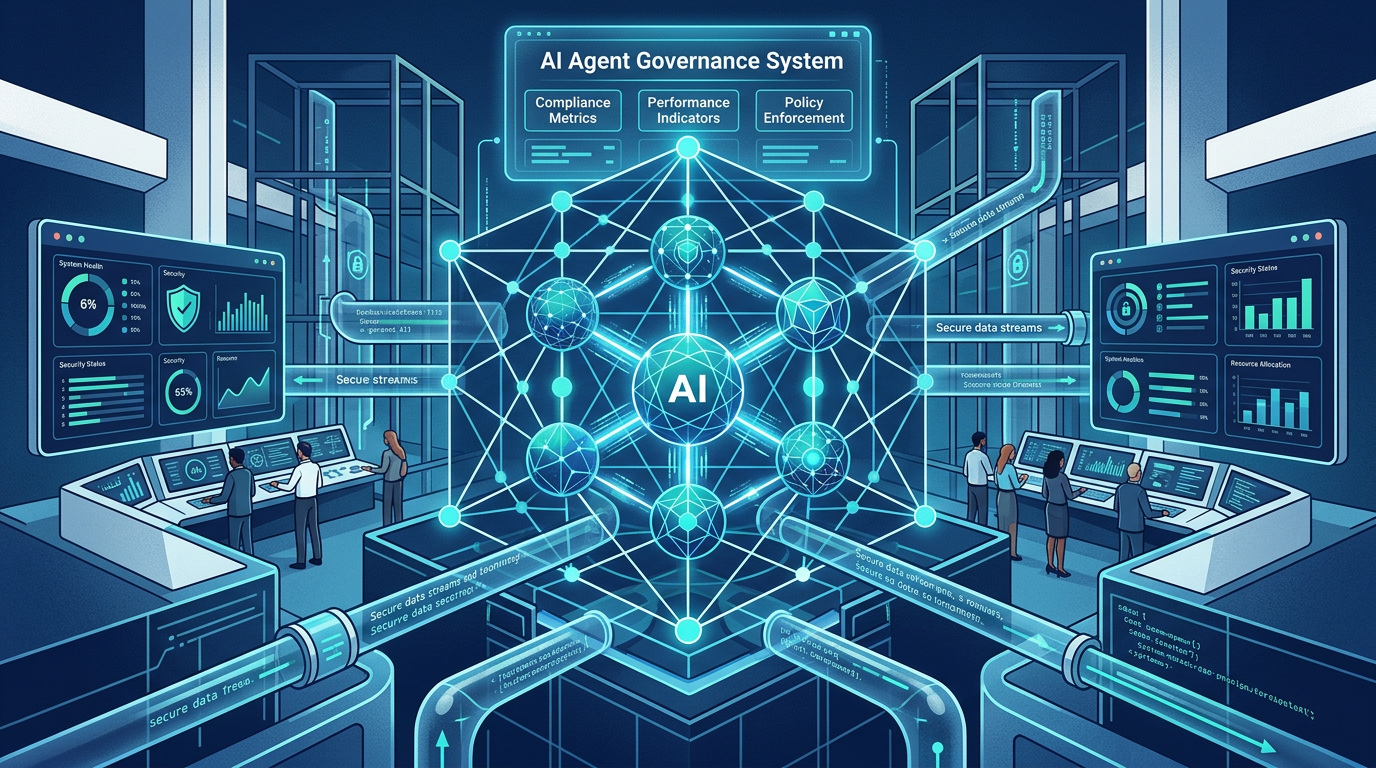
Part 2: Operating Agent 365 at Scale — Turning Governance into a Managed Capability
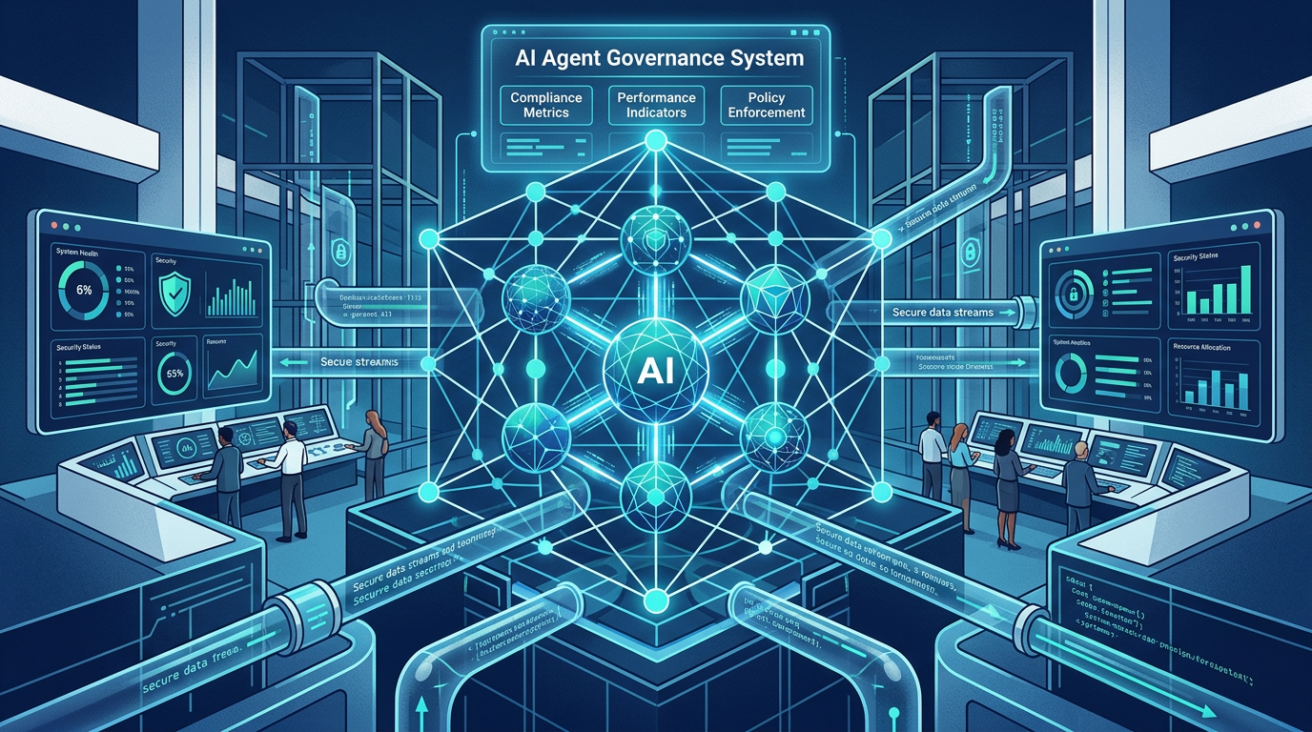
If Part 1 explains why Agent 365 matters, Part 2 explains where value is realized.
Most AI governance failures are not caused by missing tools. They happen because organizations treat governance as a deployment task instead of an operating model. Agent 365 does not remove that responsibility—it makes it unavoidable.
Governance Is an Operating Model, Not a Feature
Enterprises have seen this pattern before. Identity governance, endpoint security, and cloud landing zones all failed when treated as one‑time configurations.
Agent governance follows the same rule: success is determined by ownership, review cadence, and enforcement—not by how quickly features are enabled. Agent 365 provides the control surface; the organization must supply the discipline.
Phase 1: Establish the Governance Baseline
The first step is making governance real and measurable.
This phase focuses on:
- Standing up the Agent Registry as the authoritative inventory
- Defining minimum metadata (owner, purpose, data access category, lifecycle state)
- Aligning Entra‑based access patterns with least‑privilege principles
- Integrating baseline monitoring through Defender and Purview
The outcome is simple but powerful: every governed agent is visible, attributable, and auditable.
Phase 2: Control Proliferation Without Slowing Innovation
Agent governance should not stall innovation—it should channel it.
This phase introduces:
- Standardized onboarding workflows (request → review → approve → publish → monitor → retire)
- Exception handling and escalation paths
- Early endpoint controls for local agents where supported
- Transparency over punishment when addressing shadow AI
By setting clear gates instead of ad‑hoc approvals, organizations reduce risk without driving agent creation underground.
Phase 3: Mature to Continuous Operations
At scale, governance becomes cyclical.
This phase focuses on:
- Periodic reviews (usage, access drift, data exposure)
- Retirement of stale or orphaned agents
- Integration with SOC workflows for investigation and response
- Expanding governance to partner and cross‑cloud agents
Here, agents are treated like long‑lived digital actors—not disposable automations.
Licensing and Program Design Considerations
Microsoft has stated that Agent 365 GA licensing is available both as a standalone SKU and within broader packaging (e.g., Microsoft 365 E7), while Frontier continues for early access features.
From a program perspective, the risk is not under‑licensing—it is under‑operating. Governance only delivers value when ownership, review cadence, and responsibility are clearly defined.
What “Good” Looks Like at Steady State
Organizations that succeed with Agent 365 share common traits:
- Centralized visibility with decentralized innovation
- Clear agent ownership and accountable sponsors
- Agents embedded into security and compliance workflows
- Governance that scales faster than agent creation
This is how AI shifts from experimentation to a managed enterprise capability.
Conclusion: From AI Experimentation to AI Operations
Agent 365 matters because it formalizes a truth many organizations are already facing: AI agents are not a future concern—they are a current operational reality.
Enterprises that establish governance early will scale with confidence. Those that wait will retrofit controls under pressure.
The choice is no longer whether to govern agents—it is whether to do it deliberately or reactively. Work with our team to understand your organization’s readiness to leverage these tools securely and intelligently.




.png?width=20&height=20&name=social.icon%20(1).png)
.png?width=19&height=16&name=Vector%20(6).png)